
Second Shadow Tanker Off Venezuela Reflags to Russia, Testing U.S. Seizure Policy
Jan 5, 2026
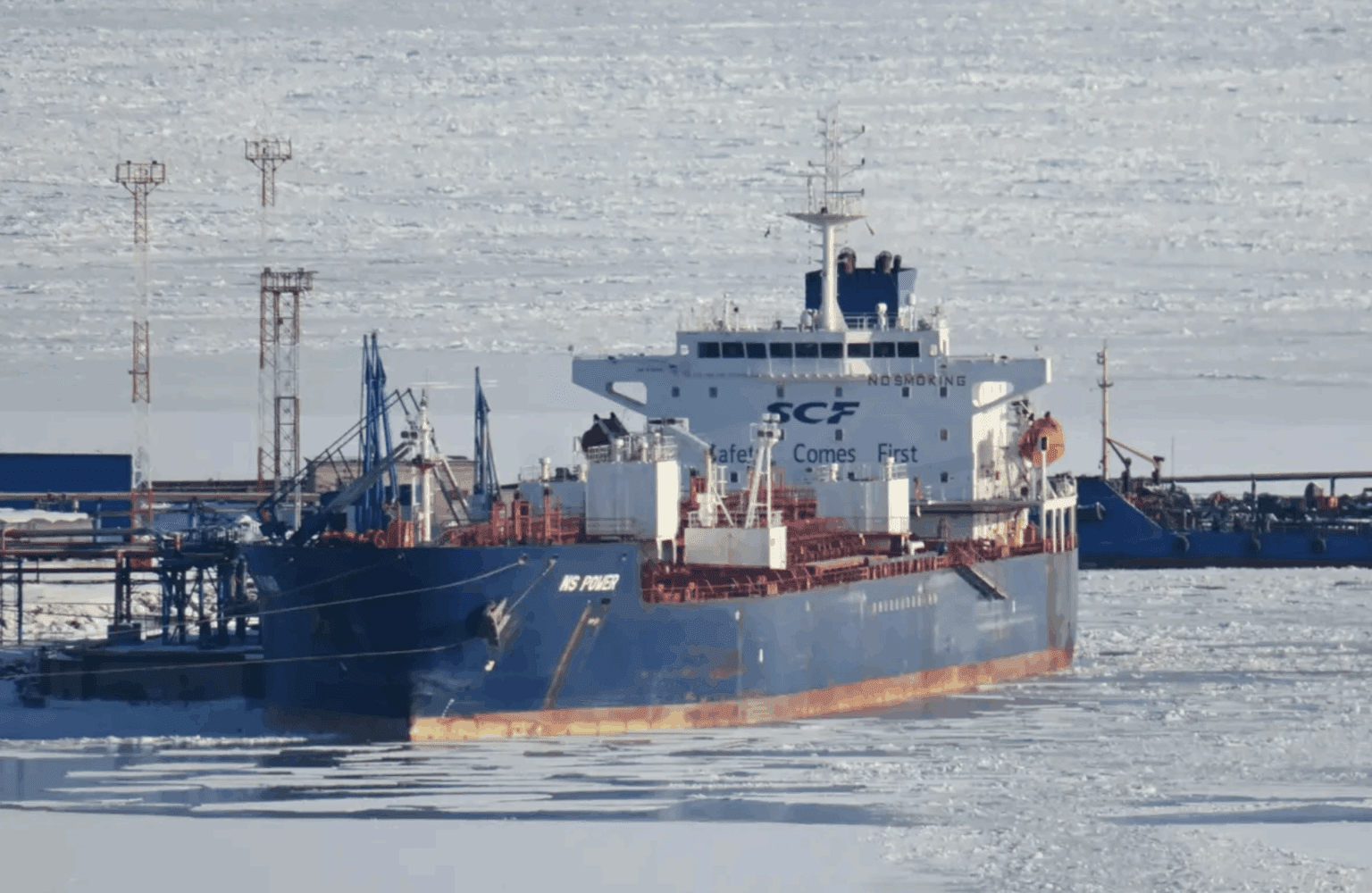
The oil tanker Hyperion has reflagged to the Russian registry in what analysts say is a calculated move to shield the vessel from potential U.S. seizure, marking the second known case of a shadow fleet tanker adopting the Russian flag after a similar switch by the Bella 1, later renamed Marinera.
The maneuver underscores a new front in the long-running cat-and-mouse game between Western sanctions enforcement and a sprawling shadow fleet that moves sanctioned crude and oil products across the globe.
Hyperion’s reflagging follows the earlier case of Bella 1, which switched to the Russian flag and was renamed Marinera, setting a precedent that shipowners and traders are now watching closely. If left unchallenged, the tactic could offer a roadmap for hundreds of vessels seeking to avoid interdiction.
“If the U.S. Coast Guard does not take action against [Bella 1], then the big risk is that another 1,475 tankers worldwide will be able to use this scenario as a template for their next moves,” said Samir Madani of TankerTrackers.com, an online service that monitors and reports on the global shadow fleet.
The development comes as more than six dozen tankers, many of them fully laden, are reported to be waiting in or near Venezuelan waters. Analysts say reflagging to Russia could become the next playbook for vessels seeking to escape seizure by U.S. authorities, particularly as enforcement patterns evolve.
Hyperion is notable not only for its reflagging but also for its trading history. The vessel appears to be the first to directly link Russia’s Arctic shipping routes with the illicit Venezuelan oil and refined product trade. In December, Hyperion loaded a cargo of naphtha in Murmansk, a key Russian Arctic port, and delivered it to Venezuela, according to shipping data reviewed by analysts.
After discharging in Venezuela, the tanker sailed onward to Cartagena, Colombia, a move that may have been designed to facilitate a change of flag. Maritime law prohibits vessels from changing flag while at sea during a voyage, making a port call a necessary step in the process.
The reflagging itself occurred on Dec. 24, when Hyperion switched its registration from Gambia, which analysts say was a false or nominal flag, to Russia. Around the same time, the vessel’s ownership and management were reassigned to New Fleet Ltd, a company based in St. Petersburg, Russia. That corporate change took effect on Dec. 22, according to registry data.
Since completing the switch, Hyperion has continued its voyage and has now reached the Atlantic Ocean, passing south of Barbados. Its safe transit suggests the vessel has, at least for now, avoided U.S. attention or seizure.
The episode adds to uncertainty over how Washington will respond to future cases, particularly against the backdrop of shifting political dynamics. The arrest of Venezuelan President Nicolás Maduro has raised questions about whether the United States will maintain, scale back, or intensify seizures of vessels operating in or around Venezuelan waters, according to analysts.
For now, Hyperion’s escape may embolden other operators. If reflagging to Russia proves an effective shield, experts warn it could significantly complicate sanctions enforcement at sea and expand the reach of the shadow fleet at a time when global scrutiny of illicit oil trade is already under strain.